
How to Identify Load Bearing Wall
Identifying Load Bearing Walls
Ask the Expert: Can that wall come down?
If you live in an older home, chances are you’ve wondered what it would feel like to open up the kitchen or connect the dining and living room. However, before reimagining your floor plan, it’s important to know how to identify if a wall is load-bearing and understand how that can impact your design.
What Is a Load-Bearing Wall?
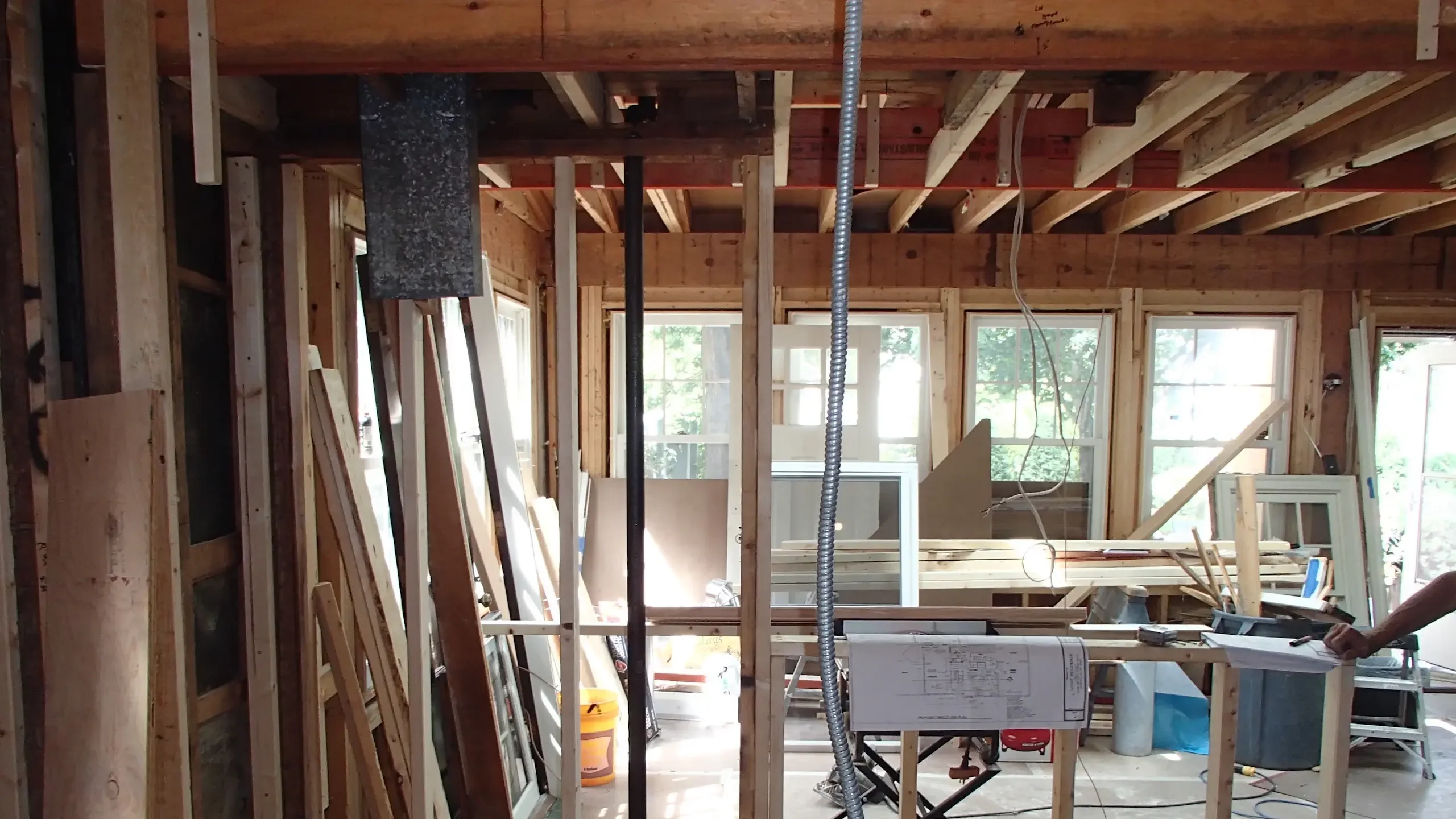
A load-bearing wall is a structural element that supports the weight of the floors, roof, or other parts of the building above it. Removing or altering one without proper planning can compromise structural integrity. This can lead to major problems. That’s why determining whether a wall carries load is essential before you start swinging a sledgehammer. Often, structural engineers or licensed contractors will look at the framing layout, beam sizes, and joist direction to confirm if a wall is supporting the structure above.
By contrast, non-load-bearing walls are more like room dividers. They help define spaces and can usually be removed or altered with much less complication.
Signs a Wall May Be Load Bearing
Every home is unique, but older homes in Minneapolis and St. Paul often share a few telltale signs:
- Check the basement or crawl space – In many homes, walls that align with a beam, column, or foundation wall below are almost always structural.
- Look in the attic – Older homes in neighborhoods like Linden Hills, Fulton, or Tangletown may have ceiling joists or roof trusses resting on key interior walls.
- Direction of floor joists – Just like in newer construction, walls parallel to joists are usually not load bearing. Conversely, perpendicular walls often are.
- Exterior walls – Whether it’s a classic stucco bungalow or a brick Tudor, exterior walls are load bearing.
- Previous remodel signs – Patches in hardwood floors or oversized header beams can reveal where walls were removed in past remodels. This is common in many updated Minneapolis kitchens. In additions, you might also notice where the original home ends—changes in flooring direction, ceiling height, or foundation lines often mark the transition between old and “new” construction.
Why It’s Not Always Straightforward
Even if you spot the signs, only a structural expert can confirm and provide solutions. Many load-bearing walls can be removed, but it requires adding beams, posts, or other forms of support.
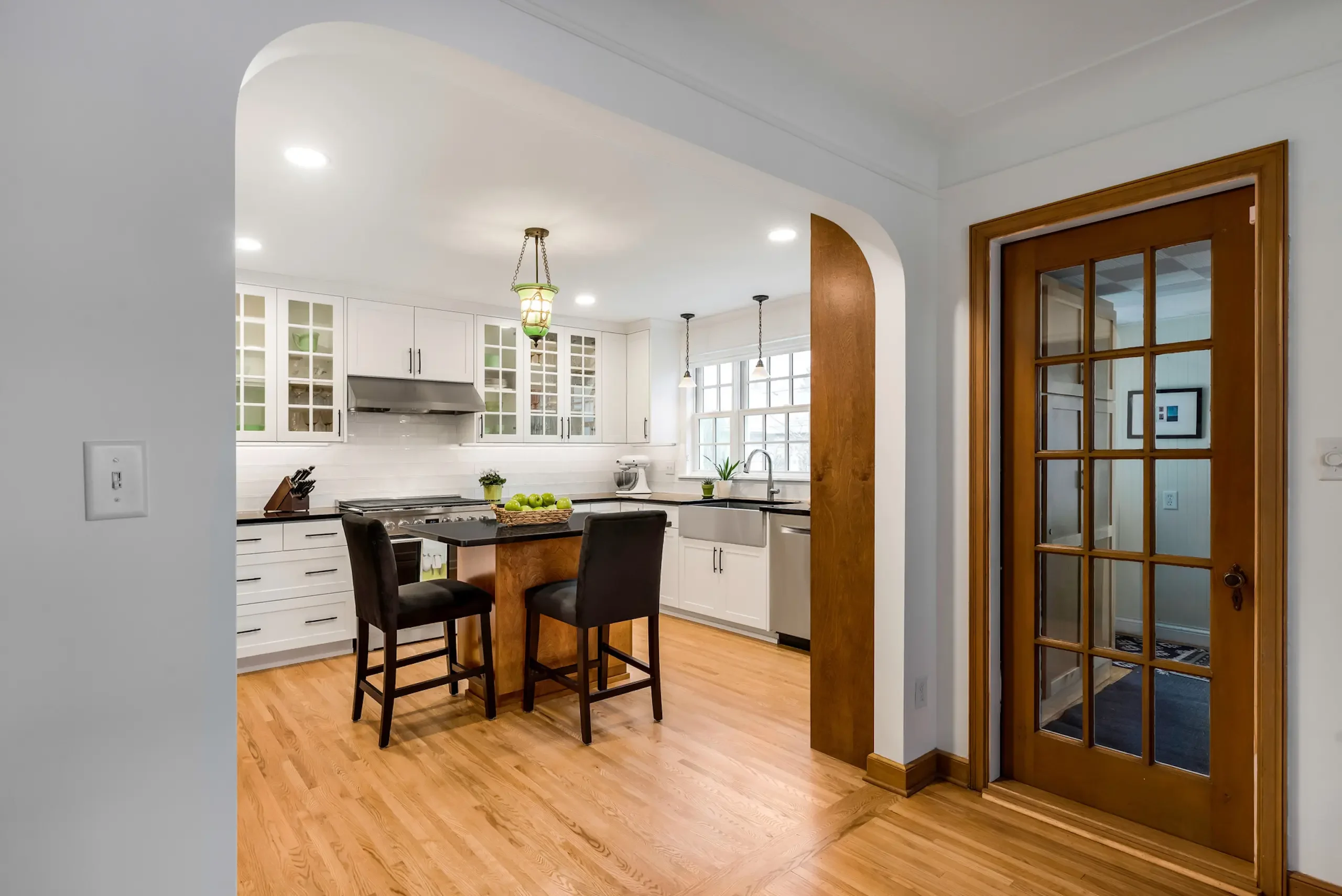
Sometimes, removing the entire wall isn’t necessary. A widened cased opening or partial wall removal can create better flow while preserving original character.
Don’t Go It Alone
We’ve worked in homes throughout Minneapolis and across the Twin Cities, where opening up walls is rarely just about structure—it’s about making an older home live better for today. Whether it’s connecting the kitchen and dining room, improving natural light, or creating a more open main level, our goal is to bring modern flow while respecting the character that makes your home unique.
The Bottom Line
For many homeowners, the goal isn’t just to remove walls—it’s to create better flow. In older homes especially, that balance is key. A wall might come down completely, or you might choose a widened cased opening. This keeps historic trim details intact while connecting spaces more naturally.
Thinking about opening up your old home? We’d be glad to talk through your options and help you strike the right balance between preserving character and gaining modern flow.
Projects to Explore
Here are a few projects where we designed and built refreshed spaces that opened up walls, improved flow, and made these homes live better for their families:
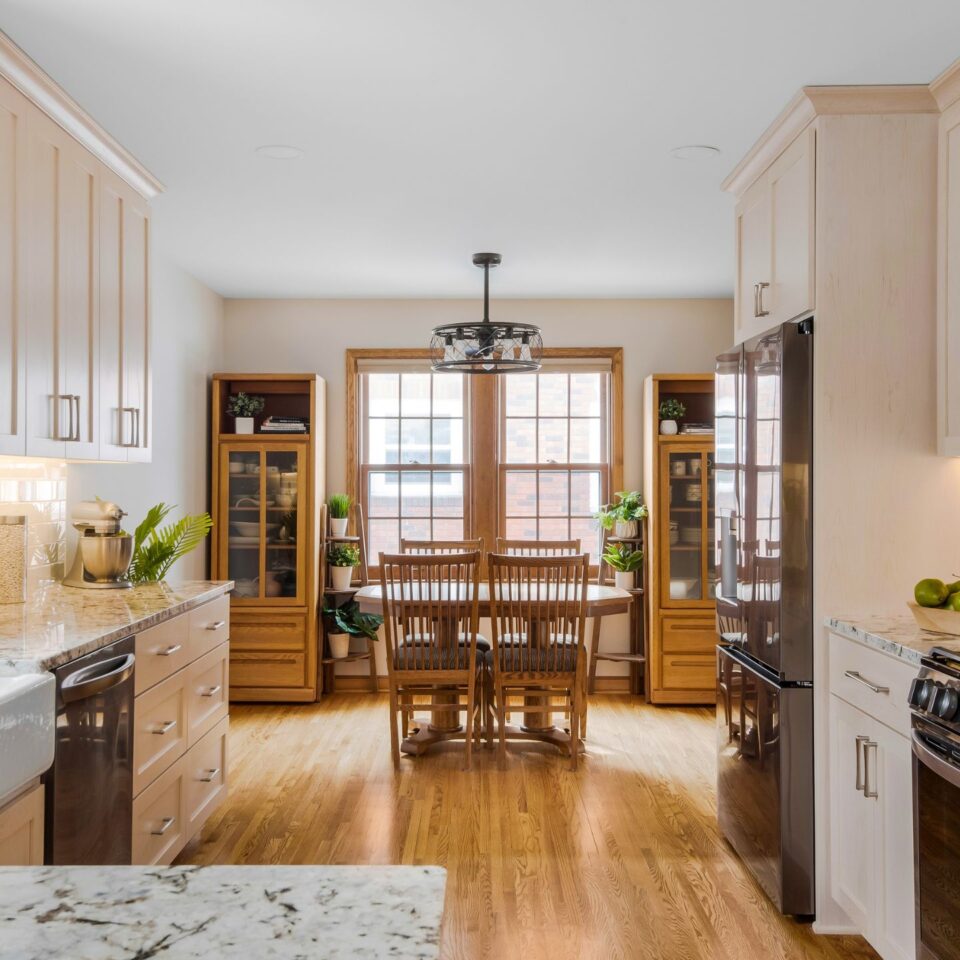
Opening up the Heart of the Home
A charming South Minneapolis home needed one big change—removing the wall between the kitchen and dining room.
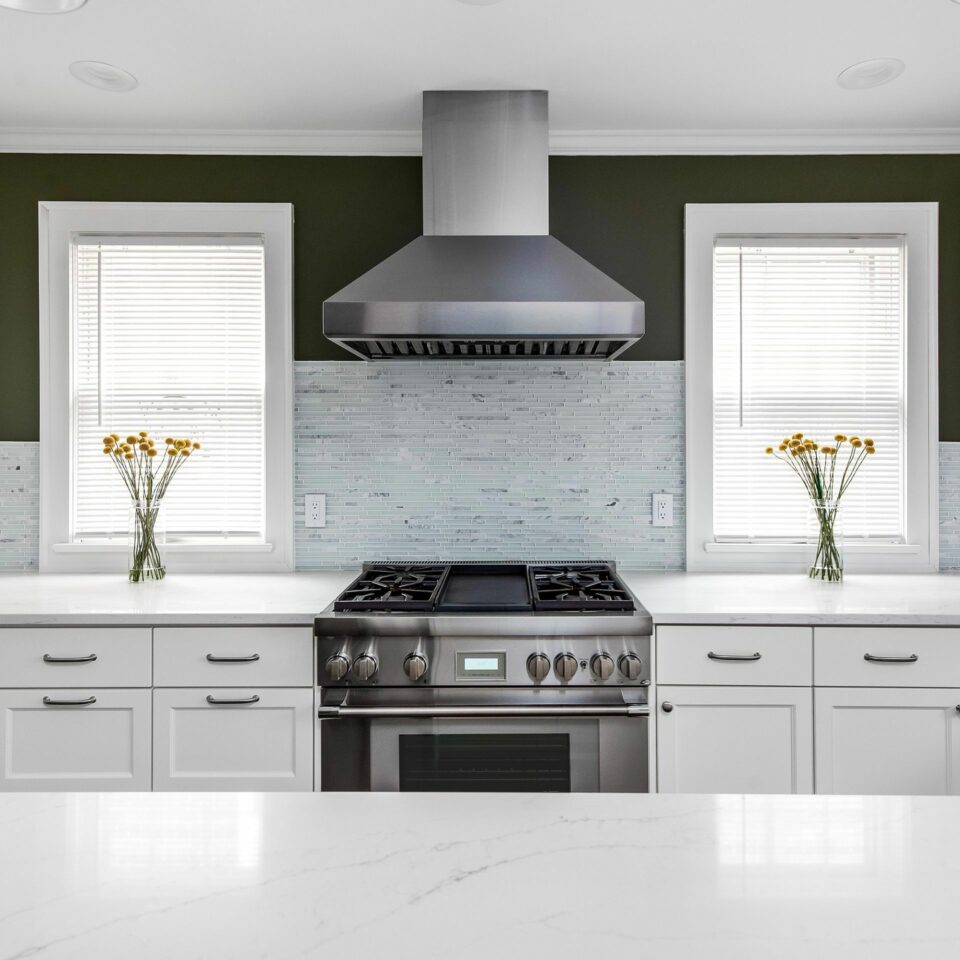
Sunny Tangletown Classic
A 1920 center hall classic home is refreshed with bright new spaces. The new kitchen and sunroom are ready for friends and family to enjoy.
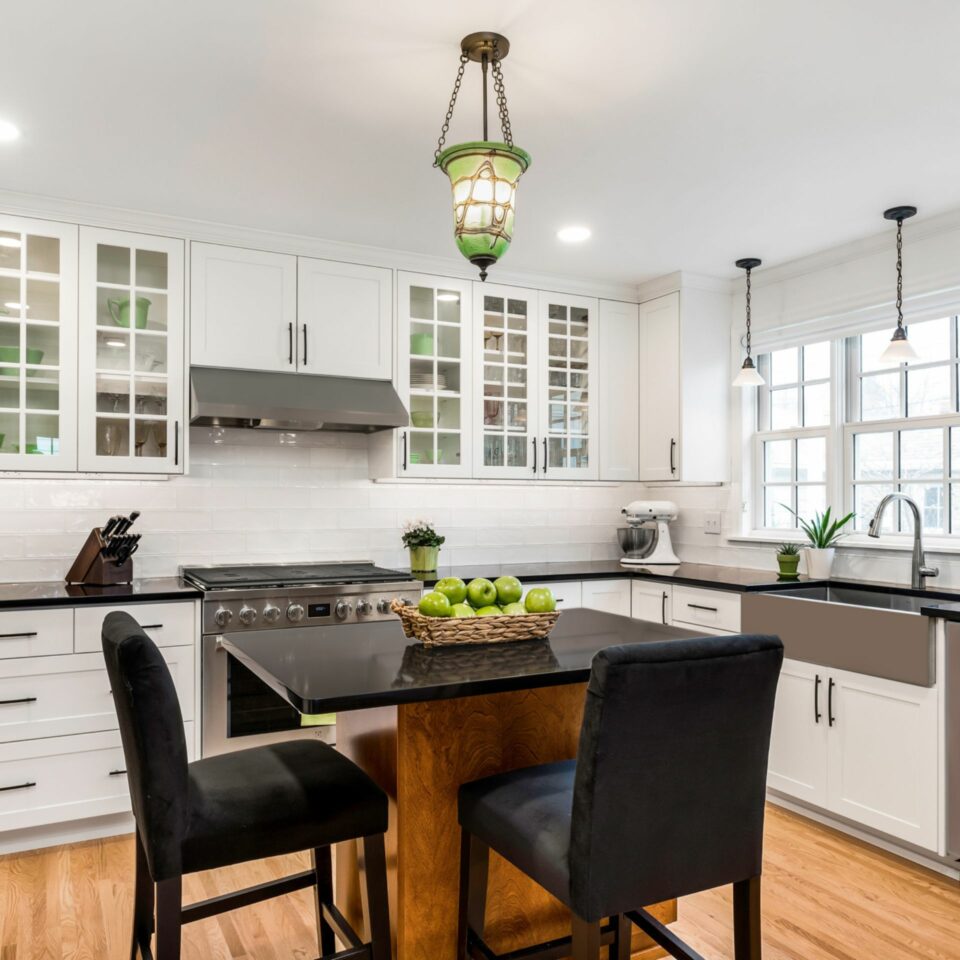
Light-Filled Living
A kitchen bump out in the Falcon Heights neighborhood in St. Paul expands the layout and lets in much-needed light.
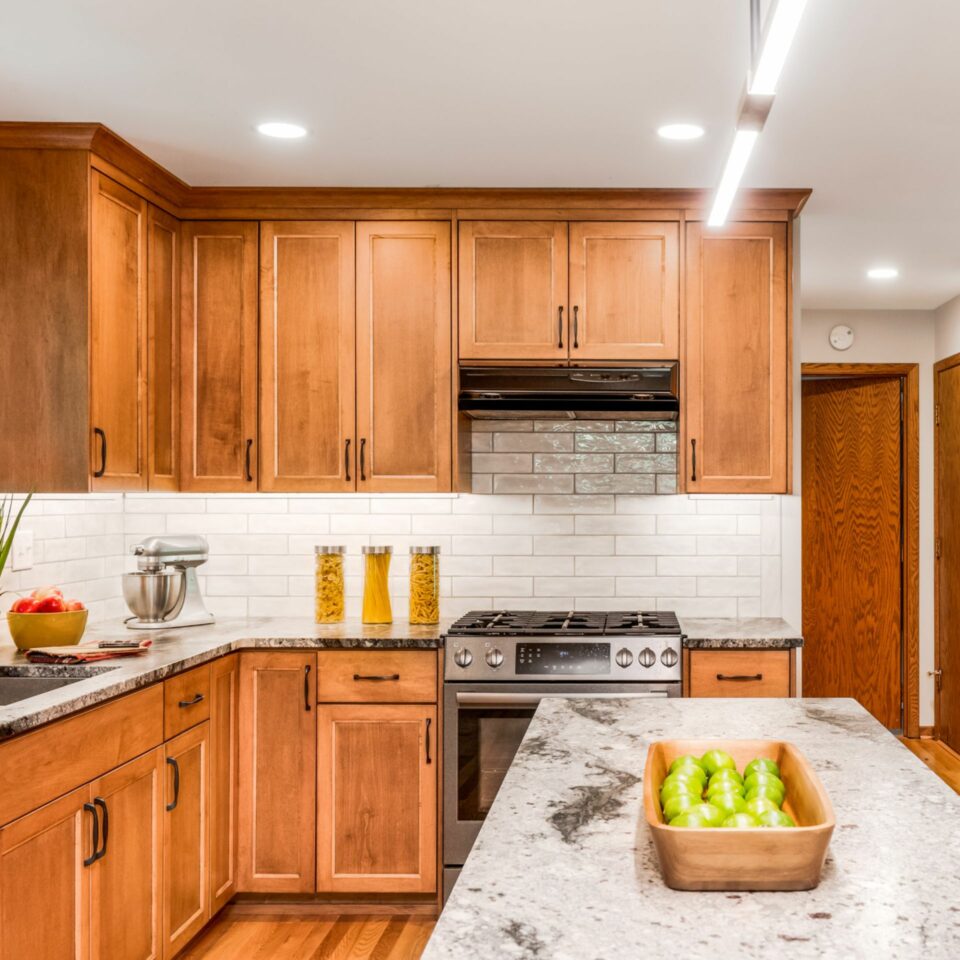
1970s Kitchen Reimagined
An aging-in-place remodel of a couple’s 1970s rambler: a new bathroom and revived kitchen and family room.